Visit the old prison
Come and discover the architecture and history of this remarkable building dating from the early 19th century and understand why it is nicknamed the "Joyful Prison"
Visit the old prison
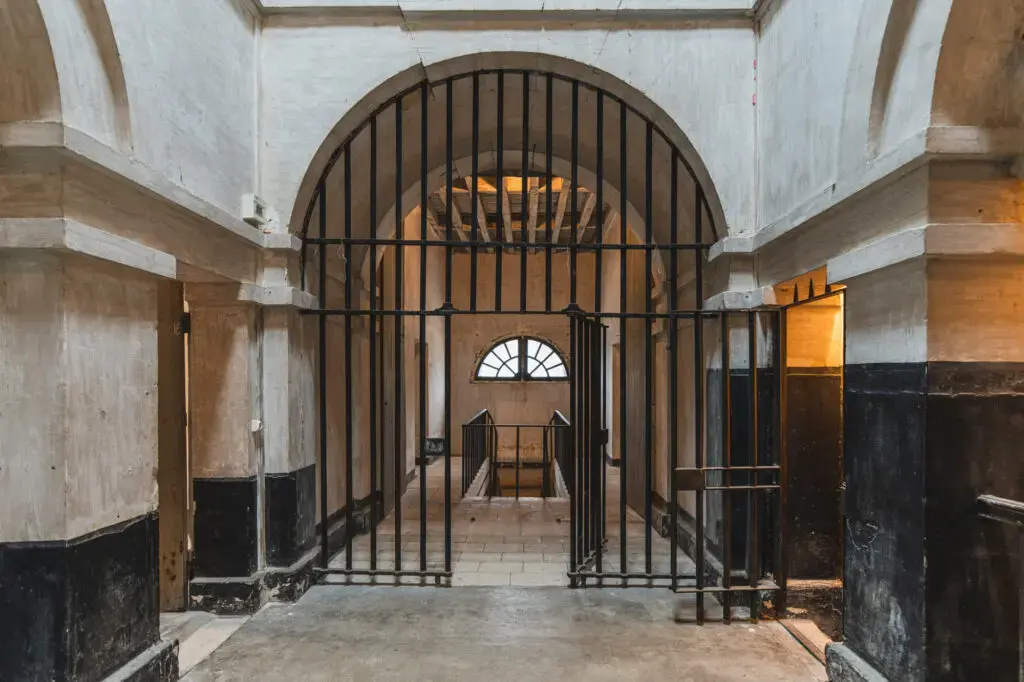
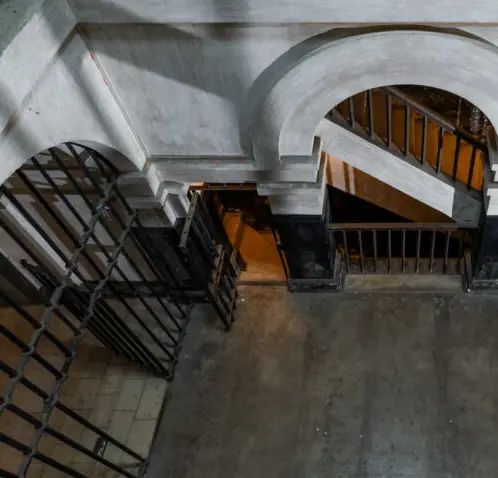
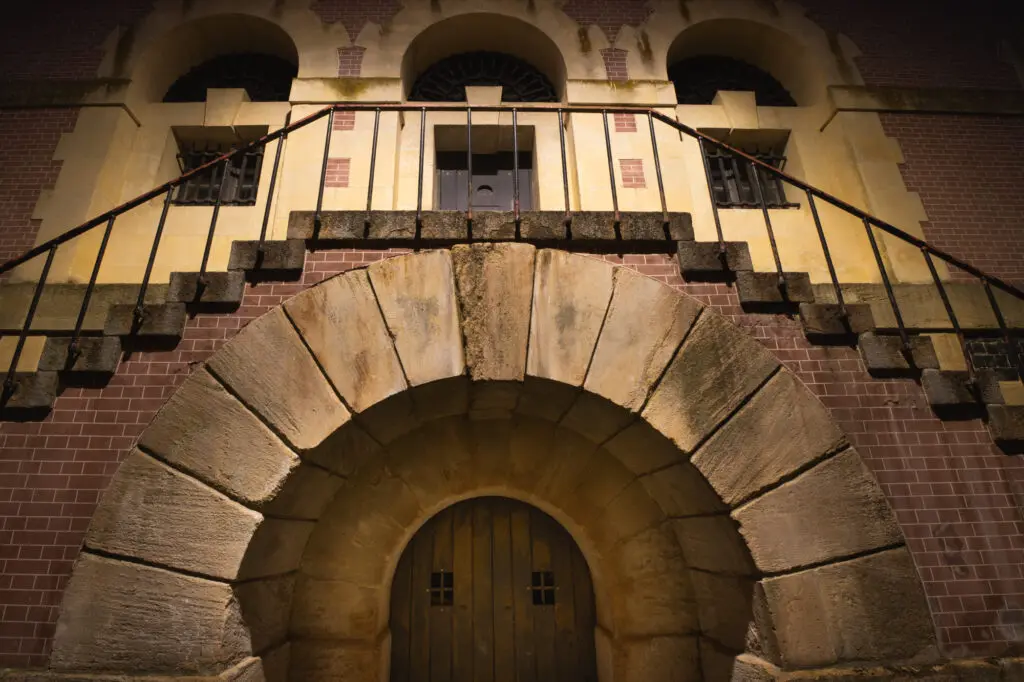
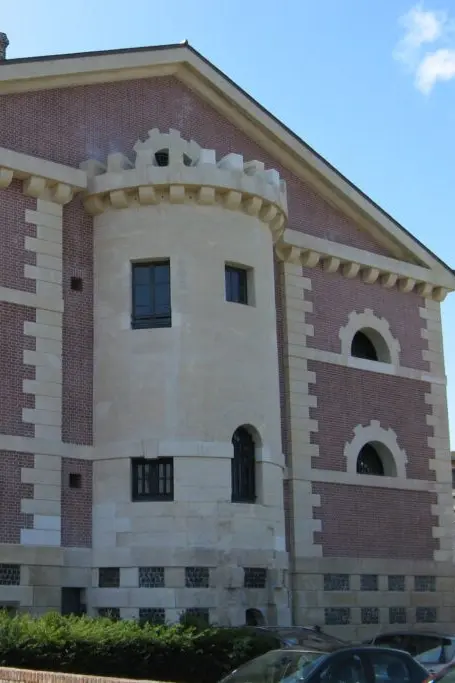
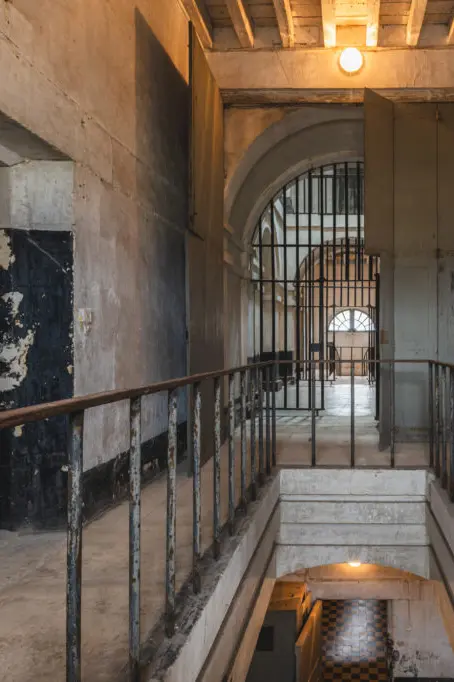
The Pont-l'Évêque prison was opened in 1823. Its construction, like that of the Pont-l'Évêque courthouse, is the work of the architects Harou-Romain, father and son. It is particularly known as "La Joyeuse Prison" (The Joyful Prison), from the title of the 1956 film by André Berthomieu starring Michel Simon and Darry Cowl, which is based on the true story of a head warden who granted some prisoners a little too much freedom.
Before that, it made headlines as the scene of the escape of the famous prisoner Renée La Canne in 1949.
Visit the old prison
Come and discover the architecture and history of this remarkable building dating from the early 19th century and understand why it is nicknamed the "Joyful Prison"
Access
- Outside of school holidays
The first Saturday of the month at 11am. - School holiday period (zone B)
Saturday and Wednesday at 11am. - Summer holidays from July 1st to August 31st
Visits on Saturdays at 11am, Sundays at 11am and 4:30pm, Wednesdays at 11am and Fridays at 4:30pm
Usefull
- Reservations only directly on this page
- Tour duration: 1 hour 15 minutes.
- Prices :
- 4.60€/adult,
- 2.60€/student,
- free for children under 15.
Guided tours
Guided tours of the "Joyeuse Prison" are also available for groups upon request :
A bit of history
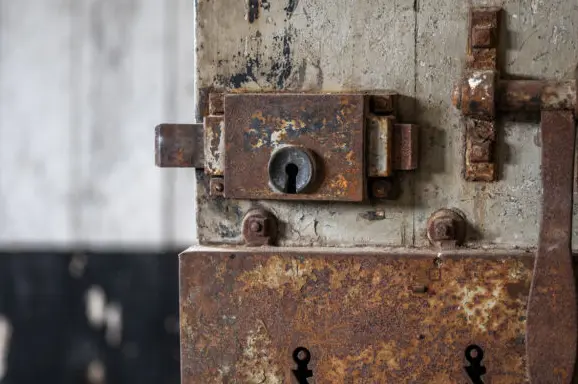
The former prison of Pont-l'Évêque was built in 1823 by the architect Harou Romain. It is a very rare example in France of a prison administration building preserved after its closure, the usual fate being demolition or conversion.
The building was used for the incarceration of prisoners from its opening at the end of the first quarter of the 19th century until its closure in 1953, following a scandal that rocked the judicial system and inspired a popular comedy in the same decade entitled La Joyeuse Prison" (The Joyful Prison) starring the actor Michel Simon, which immortalized the place. During the occupation, the former prison of Pont-l'Évêque served as a place of confinement for common law offenses, but also as a transit point for prisoners arrested by the German authorities: members of the Resistance, political prisoners, etc. After their time in the Pont-l'Évêque prison and their transfer to the Caen prison, or other locations now unknown, some prisoners met a tragic end.
After being abandoned for several decades, the building was purchased by the town of Pont-l'Évêque in the early 2000s. It underwent meticulous restoration and its designation as a heritage site, a process considered successful and particularly rare. At the beginning of the 21st century , the building's state of preservation stands as a rare testament to the revival of early 19th - century prison architecture. The town of Pont-l'Évêque now promotes this site through guided tours, theatrical performances, themed events, and by opening it up to artistic expression. The former prison also serves as a filming location for movies and television films.